

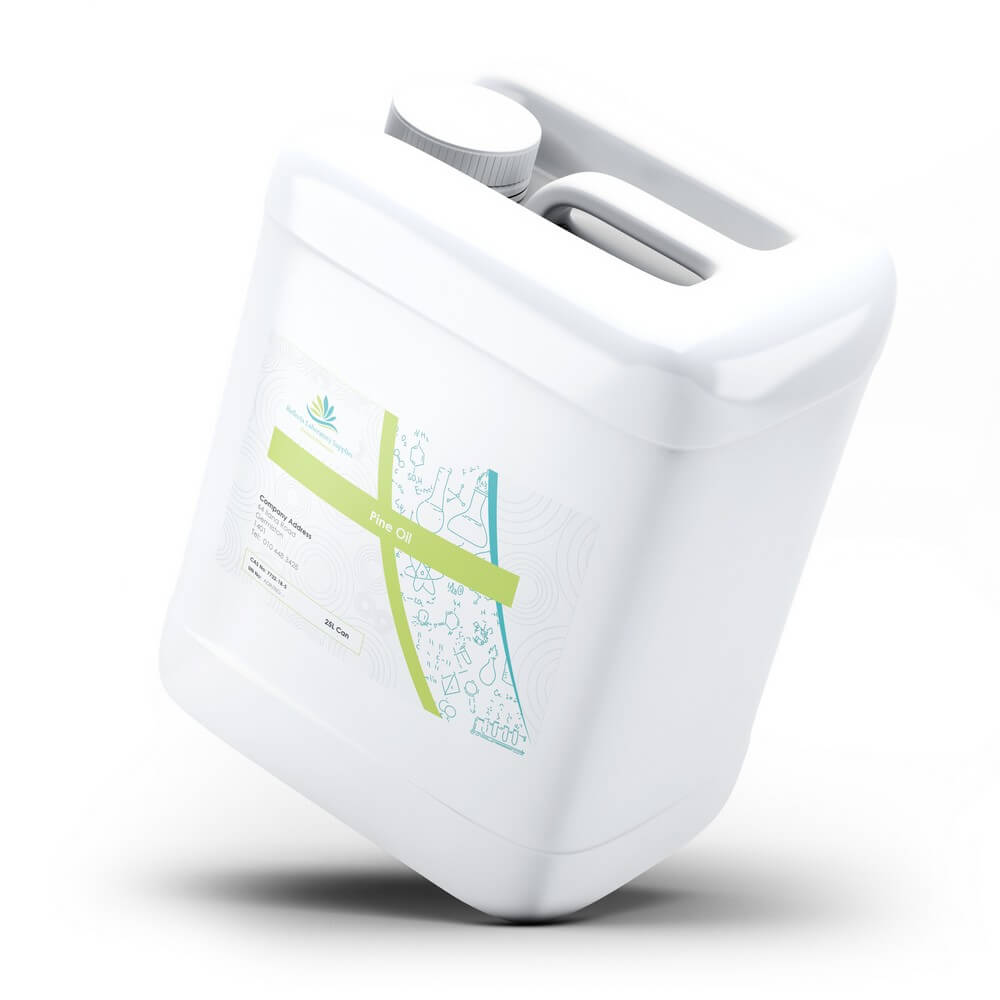
Pine Oil
SECTION 1. PRODUCT AND COMPANY IDENTIFICATION
Product name : Pine OIl
Company
REFLECTA LAB SUPPLIES
SECTION 2 Pine Oil – HAZARDS IDENTIFICATION GHS-Classification
Flammable liquids, Category 4
Skin irritation, Category 2
Eye irritation, Category 2A
Skin sensitisation, Category 1
Aspiration hazard, Category 1
GHS-Labelling
Symbol(s) :
Signal word : Danger
Pine Oil
Hazard statements : H227: Combustible liquid.
H304: May be fatal if swallowed and enters airways.
H315: Causes skin irritation.
H317: May cause an allergic skin reaction.
H319: Causes serious eye irritation.
Precautionary statements : P210: Keep away from heat/sparks/open flames/hot surfaces. No smoking.
P280: Wear protective gloves/ eye protection/ face protection.
P301 + P310: IF SWALLOWED: Immediately call a POISON
CENTER or doctor/ physician.
P302 + P352: IF ON SKIN: Wash with plenty of soap and water.
P305 + P351 + P338: IF IN EYES: Rinse cautiously with water for
several minutes. Remove contact lenses, if present and easy to do.
Continue rinsing.
P331: Do NOT induce vomiting.
Carcinogenicity:
No component of this product present at levels greater than or equal to 0.1% is identified as probable, possible or confirmed human carcinogen by IARC.
No component of this product present at levels greater than or equal to 0.1% is identified as a carcinogen or potential carcinogen by OSHA.
No component of this product present at levels greater than or equal to 0.1% is identified as a known or anticipated carcinogen by NTP.
SECTION 3. COMPOSITION/INFORMATION ON INGREDIENTS Chemical nature : Fragrance for consumer product
Hazardous components
| Component | CAS-No. |
| Oils, pine | 8002-09-3, 8000-41-7 |
Pine Oil
SECTION 4. Pine Oil – FIRST AID MEASURES
First aid procedures
Inhalation : Remove from exposure site to fresh air and keep at rest. If victim is unconscious, remove foreign bodies from the mouth. If victim has
stopped breathing, give artificial respiration. Obtain medical advice.
Skin contact : Remove contaminated clothes. Wash thoroughly with water (and soap). Contact physician if symptoms persist.
Eye contact : Flush immediately with water for at least 15 minutes. Contact physician if symptoms persist.
Ingestion : Rinse mouth with water and obtain medical advice.
SECTION 5. FIREFIGHTING MEASURES
Flammable properties
Flash point : 162 °F (72 °C)
Fire fighting
Suitable extinguishing media : Use water spray, dry chemical, carbon dioxide or appropriate foam. Protective equipment and precautions for firefighters
Special protective equipment for firefighters
: Wear NIOSH approved self-contained breathing apparatus and full protective clothing when fighting fires involving chemicals. Use water spray to cool containers exposed to fire.
Pine Oil
SECTION 6. ACCIDENTAL RELEASE MEASURES
Personal precautions : Avoid inhalation and contact with skin and eyes. A self-contained breathing apparatus is recommended in case of a major spill.
Environmental precautions : Keep away from drains, surface- and groundwater and soil.
Methods for containment / : Clean up spillage promptly. Remove ignition sources. Provide Methods for cleaning up adequate ventilation. Avoid excessive inhalation of vapours. Gross spillages should be contained by use of sand or inert powder
and disposed of according to the local regulations.
SECTION 7. Pine Oil – HANDLING AND STORAGE
Handling
Advice on protection against fire and explosion
: Avoid excessive inhalation of concentrated vapors. Follow good manufacturing practices for housekeeping and personal hygiene. Wash any exposed skin immediately after any chemical contact, before breaks and meals, and at the end of each work period.
Contaminated clothing and shoes should be thoroughly cleaned before re-use.
If appropriate, procedures used during the handling of this material should also be used when cleaning equipment or removing residual chemicals from tanks or other containers, especially when steam or hot water is used, as this may increase vapor concentrations in the
workplace air. Where chemicals are openly handled, access should be restricted to properly trained employees.
Keep all heated processes at the lowest necessary temperature in order to minimize emissions of volatile chemicals into the air.
: Keep away from ignition sources and naked flame.
Requirements for storage areas and containers
Pine Oil
: Store in a cool, dry, ventilated area away from heat sources. Keep containers upright and tightly closed when not in use.
SECTION 8. EXPOSURE CONTROLS/PERSONAL PROTECTION Components with workplace control parameters
| Components | Listed by | Value type | Exposure
limit(s) |
| 3-Cyclohexene-1- methanol,
.alpha.,.alpha.,4- trimethyl |
USA. ACGIH Threshold Limit Values (TLV) | 8-hour, time-weighted average | 20 ppm |
| Cyclohexene, 1-
methyl-4-(1- methylethenyl)-, Cyclohexene, 1- methyl-4-(1- methylethenyl)-, (4R)-, Cyclohexene, 1-methyl-4-(1- methylethenyl)-, (4S)- |
USA. Workplace Environmental Exposure Levels (WEEL) | 8-hr TWA | 30 ppm |
Engineering measures
Engineering measures : Where feasible, isolate mixing rooms and other areas where this material is used or openly handled. Maintain these areas under
negative air pressure relative to the rest of the plant.
Where feasible, use closed systems to transfer and process this
material
Personal protective equipment
Eye protection : Use tight-fitting goggles, face shield or safety glasses with side
Pine Oil
shields if eye contact might occur.
Hand protection : Avoid skin contact. Use chemically resistant gloves.
Respiratory protection : Use local exhaust ventilation around open tanks and other open sources of potential exposures in order to avoid excessive inhalation,
including places where this material is openly weighed or measured.
In addition, use general dilution ventilation of the work area to
eliminate or reduce possible worker exposures.
No respiratory protection is required during normal operations in a
workplace where engineering controls such as adequate ventilation,
etc. are sufficient.
If engineering controls and safe work practices are not sufficient, an
approved, properly fitted respirator with organic vapor cartridges or
canisters and particulate filters should be used:
a)while engineering controls and appropriate safe work practices
and/or procedures are being implemented; or
b)during short term maintenance procedures when engineering
controls are not in normal operation or are not sufficient; or
c)if normal operational workplace vapor concentration in the air is
increased due to heat ;
d)during emergencies; or
e)if engineering controls and operational practices are not sufficient
to reduce airborne concentrations below an established occupational
exposure limit.
Hygiene measures : To the extent deemed appropriate, implement pre-placement and regularly scheduled ascertainment of symptoms and spirometry
testing of lung function for workers who are regularly exposed to
this material.
To the extent deemed appropriate, use an experienced air sampling
expert to identify and measure volatile chemicals that could be
present in the workplace air to determine potential exposures and to
ensure the continuing effectiveness of engineering controls and
operational practices to minimize exposure.
Pine Oil
Protective measures : In December 2003, the National Institute for Occupational Safety and Health (“NIOSH”) published an Alert on preventing lung
disease in workers who use or make flavorings [NIOSH Publication
Number 2004-110].
In August 2004, the United States Flavor and Extract Manufacturers
Association (FEMA) issued a report entitled “Respiratory Safety in
the Flavor Manufacturing Workplace”.
Both of these reports provide recommendations for reducing
employee exposure and for medical surveillance in the workplace.
The recommendations in these reports are generally applicable to the
use of any chemical in the workplace and you are strongly urged to
review both of these reports.
The report published by FEMA also contains a list of “high priority”
chemicals. If any of these chemicals are present in this product at a
concentration >= 1.0% due to an intentional addition by IFF, the
chemical(s) will be identified in this safety data sheet.
SECTION 9. Pine Oil – PHYSICAL AND CHEMICAL PROPERTIES
Appearance
Physical state : liquid
Appearance : CLEAR LIQUID
Colour : colorless to pale yellow
Odour : conforms to standard
Safety data
Flash point : 162 °F (72 °C)
Vapour pressure : 5.33 hPa (5.33 hPa)
Note: Calculated
Pine Oil
Relative density (20 °C) : 0.9240 – 0.9310
SECTION 10. STABILITY AND REACTIVITY Conditions to avoid : Remarks: Direct sources of heat.
Chemical stability : Remarks: Presents no significant reactivity hazard, by itself or in contact with water. Avoid contact with strong acids, alkali or
oxidizing agents.
Hazardous decomposition products : Note: Carbon monoxide and unidentified organic compounds may be formed during combustion.
SECTION 11. TOXICOLOGICAL INFORMATION
Acute oral toxicity : Acute toxicity estimate
Dose: 2,027 mg/kg
Method: Calculation method
Acute oral toxicity (Component) : Component: 98-55-5
LD50 Rat
Dose: 4,300 mg/kg
Method: OECD Test Guideline 401
Remarks: RIFM
Component: 138-86-3
LD50 Rat
Dose: 5,300 mg/kg
Component: 586-62-9
LD50 Rat
Dose: 3,840 mg/kg
Pine Oil
Remarks: RIFM
Component: 562-74-3
LD50 Rat
Dose: 1,300 mg/kg
Remarks: RIFM
Component: 470-82-6
LD50 Rat
Dose: 2,480 mg/kg
Remarks: Supplier
Acute dermal toxicity : Acute toxicity estimate Dose: 3,733 mg/kg
Method: Calculation method
Acute dermal
toxicity (Component)
: Component: 98-55-5
LD50 Rabbit
Dose: > 3,000 mg/kg
Method: OECD Test Guideline 402
Component: 138-86-3
LD50 Rabbit
Dose: > 5,000 mg/kg
Component: 586-62-9
LD50 Rabbit
Dose: > 5,000 mg/kg
Component: 562-74-3
LD50 Rabbit
Dose: 2,500 mg/kg
Component: 470-82-6
LD50 Rabbit
Dose: > 5,000 mg/kg
Pine Oil
Skin irritation (Component) : Component: 98-55-5 Rabbit
Result: Skin irritation
Method: OECD Test Guideline 404
Exposure time: 24 h
Component: 138-86-3
Rabbit
Result: Skin irritation
Exposure time: 24 h
Test substance:(undiluted)
human
Result: No skin irritation
Method: closed patch test
Exposure time: 48 h
Component: 586-62-9
human
Result: No skin irritation
Method: closed patch test
Exposure time: 48 h
Rabbit
Result: No skin irritation
Exposure time: 24 h
Component: 562-74-3
Rabbit
Result: Skin irritation
Exposure time: 24 h
Component: 470-82-6
Rabbit
Result: No skin irritation
Exposure time: 24 h
Eye irritation(Component) : Component: 98-55-5 Rabbit
Pine Oil
Result: Eye irritation
Method: OECD Test Guideline 405
Exposure time: 72 h
Sensitisation (Component) : Component: 98-55-5
LLNA Rat
Result: causes no sensitization
Method: OECD Test Guideline 429
Component: 138-86-3
LLNA Mouse
Result: Causes sensitisation.
Test substance: 22% in ethanol/DEP (75:25)
maximisation study human
Result: causes no sensitization
Test substance: 20% in petrolatum
Component: 586-62-9
maximisation study human
Result: Did not cause sensitisation on laboratory animals.
Test substance: 20% in petrolatum
Component: 562-74-3
human
Result: causes no sensitization
Repeated dose
toxicity(Component)
: Component: 98-55-5
OralRat
NOEL: > 314 mg/kg
Method: OECD Test Guideline 408
Remarks: No adverse effect has been observed in chronic toxicity tests.
Component: 138-86-3
Component: 586-62-9
Carcinogenicity (Component) :
Pine Oil
Component: 562-74-3 Component: 98-55-5
SECTION 12. Pine Oil – ECOLOGICAL INFORMATION
Component:
98-55-5 alpha-TerpineolToxicity to fish:
semi-static test LC50
Species: Brachydanio rerio (zebrafish)
Dose: 70 mg/l
Exposure time: 96 h
Method: OECD Test Guideline 203
Information taken from reference works and the
literature.
Toxicity to daphnia and other aquatic invertebrates:
static test EC50
Species: Daphnia magna (Water flea)
Dose: 73 mg/l
Exposure time: 48 h
Method: OECD Test Guideline 202
Information taken from reference works and the
literature.
Toxicity to algae:
static testEC50
Species: Pseudokirchneriella subcapitata (aglae)
Dose: 68 mg/l
Exposure time: 72 h
Method: OECD Test Guideline 201
Information taken from reference works and the
literature.
Toxicity to algae:
static testNOEC
Species: Pseudokirchneriella subcapitata (aglae)
Pine Oil
Dose: 3.9 mg/l
Exposure time: 72 h
Method: OECD Test Guideline 201
Information taken from reference works and the
literature.
Toxicity to bacteria:
static test NOEC
Species: activated sludge
Dose: 25.7 mg/l
Method: OECD Test Guideline 310
138-86-3 Dipentene Toxicity to fish:
LC50
Species:
Dose: 0.702 mg/l
Exposure time: 96 h
586-62-9 Terpinolene Toxicity to fish:
LC50
Species:
Dose: 1.21 mg/l
Exposure time: 96 h
Toxicity to daphnia and other aquatic invertebrates:
EC50
Species:
Dose: 1.38 mg/l
Exposure time: 48 h
Toxicity to daphnia and other aquatic invertebrates:
EC50
Species:
Dose: 2.55 mg/l
Exposure time: 48 h
Pine Oil
562-74-3 4-Terpineol Toxicity to daphnia and other aquatic invertebrates: static test EC50
Species: Daphnia magna (Water flea)
Dose: 97 mg/l
Exposure time: 48 h
RIFM
SECTION 13. Pine Oil – DISPOSAL CONSIDERATIONS
Contaminated packaging : Place material into sealed containers and dispose of in accordance with local, state and federal regulations.
SECTION 14. TRANSPORT INFORMATION
DOT Proper shipping name : Combustible liquid, n.o.s. (DIPENTENE)
UN number : 1993
Class : CBL
Packing group : III
Emergency Response : 128
Guidebook Number
DOT NON-BULK Not dangerous goods
IATA UN number : 3082
Description of the goods : ENVIRONMENTALLY HAZARDOUS
SUBSTANCE, LIQUID, N.O.S.
(DIPENTENE)
Class : 9
Packing group : III
ICAO-Labels : 9
Pine Oil
IMDG UN number : 3082
Description of the goods : ENVIRONMENTALLY HAZARDOUS
SUBSTANCE, LIQUID, N.O.S.
(DIPENTENE)
Class : 9
Packing group : III
IMDG-Labels : 9
EmSNumber 1 : F-A
EmSNumber 2 : S-F
Marine pollutant : yes
(DIPENTENE)
SECTION 15. REGULATORY INFORMATION
SARA 311/312 Hazards : Fire Hazard
Acute Health Hazard
Reportable Quantity :
HMIS Classification : Health hazard: 1
Flammability: 2
Physical and chemical hazards: 0
SECTION 16. Pine Oil – OTHER INFORMATION
All reasonable efforts were exercised to compile this SDS in accordance with GHS SANS 10234. The SDS provides information regarding the health, safety and environmental hazards, at the date of issue, to facilitate the safe receipt, use and handling of the product in the workplace. RLS cannot anticipate or control all conditions under which the product may be handled, used and received in the workplace, it remains the obligation of each user, receiver or handler to, prior to usage, review this SDS in the context within which the product will be received, handled or used in the workplace. The user, handler or receiver must ensure that the necessary mitigating measures are in place as regards health and safety. This does not substitute the need or requirement for any relevant risk assessments to be conducted. It further remains the responsibility of the receiver, handler or user to communicate such information to all relevant parties that may be involved in the receipt, use or handling of the product. Although all reasonable efforts were exercised in the compilation of this SDS, RLS does not expressly warrant the accuracy or assume any liability for the incompleteness of the information contained herein or any advice given. The product is sold and risk passes in accordance with the specific terms and conditions of sale
DisclaimerThe information stated above is considered to be correct, but does not claim to be inclusive and shall only be used as a guideline. The information provided by this document is confirmed by our continuous updating of knowledge and adheres to the products appropriate safety precautions. It does not represent any guarantee of the product’s
properties. RLS Chemicals and its Associates shall not be held accountable for any damage’s consequent of handling the above product.
Add to Wishlist
Add to Wishlist
Related products
Bulk Chemicals
Bulk Chemicals
Bulk Chemicals
Bulk Chemicals
Bulk Chemicals
Bulk Chemicals
Bulk Chemicals
Bulk Chemicals