

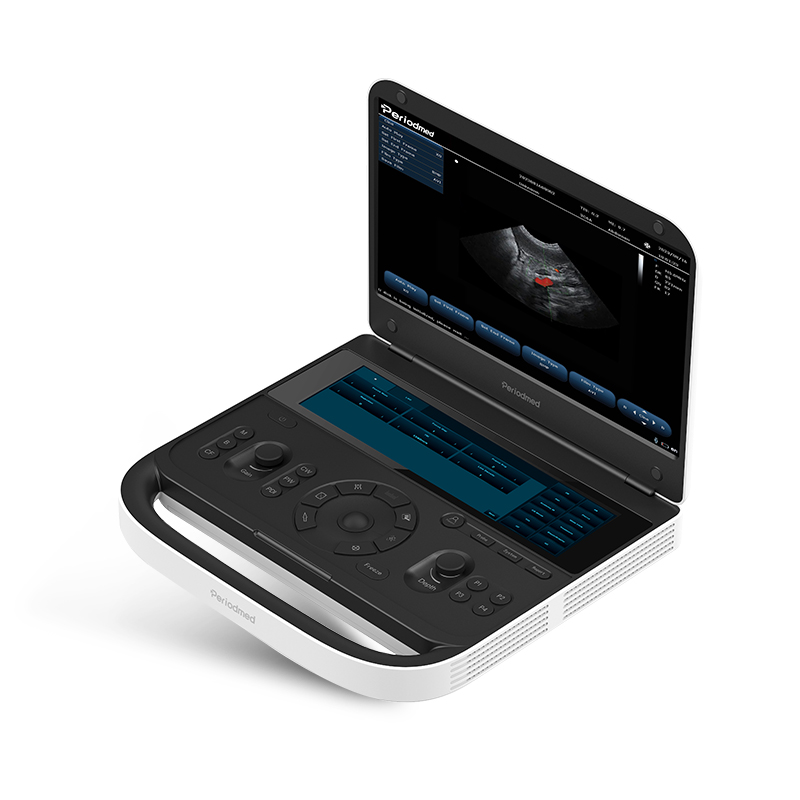
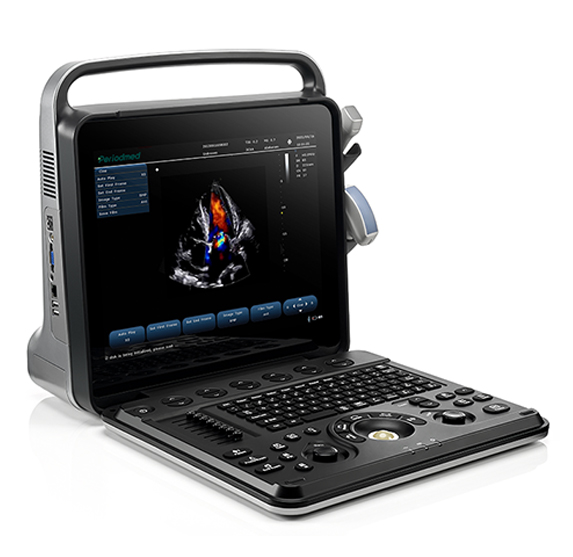
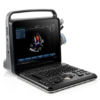
Premium 4D portable colour doppler. 2 Probe connectors, 2 screen with convex probe. Revo9
R207 000,00
-
Description
1. Ergonomic key operation: silicone interactive backlit keyboard, trackball
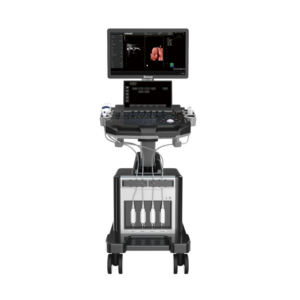
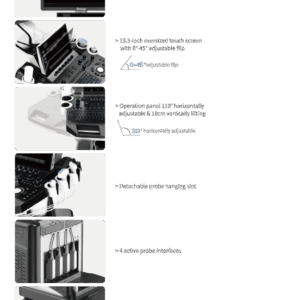
2. Double screen display: 12.6 inch full-size multi-function touch screen +15.6 inch anti-glare LED screen
3. The machine can connect two probes at the same time
4. Synchronization ability:
B/CF, B/PDI or DPDI, B/PW, B/M, B+CF or PDI or DPDI/PW or M mode
5. Echo enhancement technology Adaptive signal processing technology was used to analyze the echo signal of the undetermined region through a unique intelligent data sensing method, which improved the image resolution and uniformity, and easily obtained high- definition heart images
6. Contrast imaging technology Using the second harmonic and nonlinear fundamental wave imaging, more accurate emission control to obtain excellent signal-to-noise ratio images. At the same time, it has microangiography imaging function and advanced angiographic quantitative analysis software, which provides more accurate judgment basis for clinical.
7. Elastography technology The latest elastography technology is used to improve the sensitivity of elastography, reduce the dependence on operation or manipulation, and show higher frame rate, better sensitivity, better stability and repeatability. 9, Harmonic imaging technology Using the second harmonics generated by the tissue boundary layer, THI significantly increases contrast resolution and improves image quality , especially for technically difficult subjects.
8.Composite imaging technology Allows the use of multiple scan space compartments, resulting in enhanced contrast and improved resolution visualization
Probe Specifications:
1. 2.0-10MHz V¬ariable frequency, frequency range 2.0-10MHz;
2. 5 kinds of frequencies of each probe, variable fundamental and harmonic frequency;
3. Abdomen: 2.5-6.0MHz;
4. Superficial:5.0-10MHz;
5. Cardiac:2.0-3.5MHz;
6. Puncture Guidance: probe puncture guide is optional, puncture line and Angle are adjustable;
7. Transvaginal: 5.0-9MHZ.Optional Probes:
1. Abdominal probe: abdominal examination ( liver, gallbladder, pancreas, spleen, kidney, bladder, obstetric and adnexa uteri, etc.);
2. High frequency probe: thyroid, mammary gland, cervical artery, superficial blood vessels, nerve tissue, superficial muscle tissue, bone joint, etc.;
3.Micro-convex probe: infant abdominal examination (liver, gallbladder, pancreas, spleen, kidney, bladder, etc.);
4. Phased array probe: cardiac examination ( myocardial pulse, ejection fraction, cardiac function index, etc.);
5. Gynaecology probe (Transvaginal probe): uterine and uterine adnexa examination;
6. Visual artificial abortion probe: monitor surgical process in real time;
7. Rectal Probe: anorectal examination.1. One-click optimization function
Improved image quality based on automatic structure detection
2. rich echo beamforming technology
The rich echo beam front allows the echo signal from adjacent beams that are traditionally ignored to be used to form a thinner, stronger imaging beam, providing better “out of focus” image resolution and deeper image penetration.
3. A maximum of 16 tasks for a transmission beam, resulting in excellent time resolution and higher frame rates.
4.Anatomical M-mode technology
Obtain accurate anatomical observations at any angle by freely placing sampling lines. Get better images with anatomical observation, up to three sampling lines
5.TDI: Tissue Doppler imaging allows you to quantitatively assess regional
myocardial motion and function, providing a complete TDI pattern for faster and more direct diagnosis.
217 in stock
Please provide product id to display corresponding data!Please provide product id to display corresponding data!
- Product Description
- Reviews
- Shipping Details
Please provide product id to display corresponding data!Please provide product id to display corresponding data!Please provide product id to display corresponding data!Please provide product id to display corresponding data!
Related products
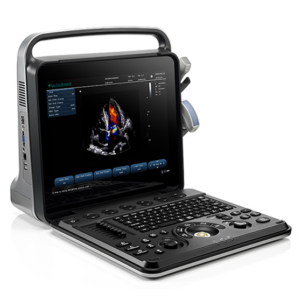
Ultrasound Scanner
Ultrasound Scanner
Ultrasound Scanner
Ultrasound Scanner
Ultrasound Scanner
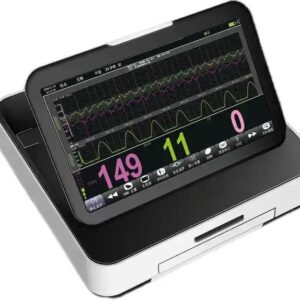
Foetal Monitor (CTG machine L8) Twin Monitor Option maternal monitor MAS-F07
Ultrasound Scanner
Ultrasound Scanner